



Why Peace Is Not on the Horizon
Even though intensive diplomatic negotiations are underway, I don’t think the world is any closer to peace in Ukraine in any meaningful way. In my view, Russia’s imperial war can only end if Russia runs out of money to wage it. And although its funds have been rapidly drying up in recent months due to sanctions and the resulting economic problems, we can forget about any major turning point supported, for example, by significant domestic resistance against Putin.
The brave people who would be willing to lead larger protests against Russia’s suicidal mission in Ukraine are either dead, in prison, or in exile. What remains in Russia is a resigned mass of obedient slaves who are used to hardship and will calmly go back to eating grass. And history shows they can keep eating it for a very long time.
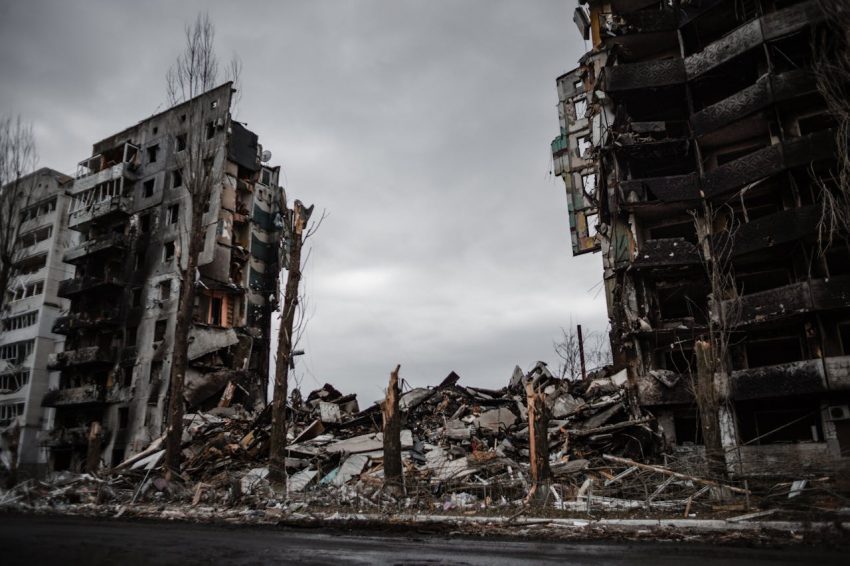
After four years of war, with casualties exceeding a million dead and wounded and costs in the hundreds of billions of dollars, it is impossible to present the occupation of 19% of Ukrainian territory as a victory — even in Russia. If Putin were to stop this runaway machinery in the near future, it would mean his end. Not only politically, but physically as well.
An incredibly naïve and easily influenced Trump is a blessing for Putin. Putin will continue to lead him like a puppet — just as he does with those two clowns, Kushner and Witkoff. Let’s hope Trump at least doesn’t halt the provision of intelligence to Ukraine or begin easing anti‑Russian sanctions.
Hungarian Elections: Another Front of Hybrid Warfare
Russia will also continue to escalate its hybrid war against a defiant Europe. It will certainly try to influence the upcoming elections in Hungary in April 2026. Over the past decade, Orbán has adjusted the Hungarian electoral system to favor the strongest party. That alone is not unique, but combined with the media environment and state resources, it creates an asymmetric playing field on which it will be very difficult for the opposition to defeat Orbán and his Fidesz.
However, according to recent polls, opposition leader Péter Magyar and his party Tisza may actually succeed. That would be another major blow for Putin. He would lose his only ally in the West. Orbán’s defeat would also hit his populist allies across Europe. But Russia will undoubtedly do everything it can to keep its “Trojan horse” in Europe.
Czech Technology That Could Change the Game
And there is one more thing that will be interesting to watch in the coming months. Ukraine has been striving for long‑range missiles for years. Since it can forget about Tomahawks and deliveries of German Taurus missiles don’t look very promising either, a potentially game‑changing option could be the much more affordable new missile Narwhal, developed by the Czech company LPP.
Its combat deployment is expected to begin directly on the Ukrainian battlefield in January or February 2026. The missile is designed for precise strikes on strategic targets deep behind the front line, with a range of up to 680 km. It is engineered to be difficult to detect and capable of penetrating Russian air defense. Serial production could begin in March 2026. If it proves successful in testing, it may gradually become a significant tool in further degrading Russia’s energy infrastructure.
Glory to Ukraine!