


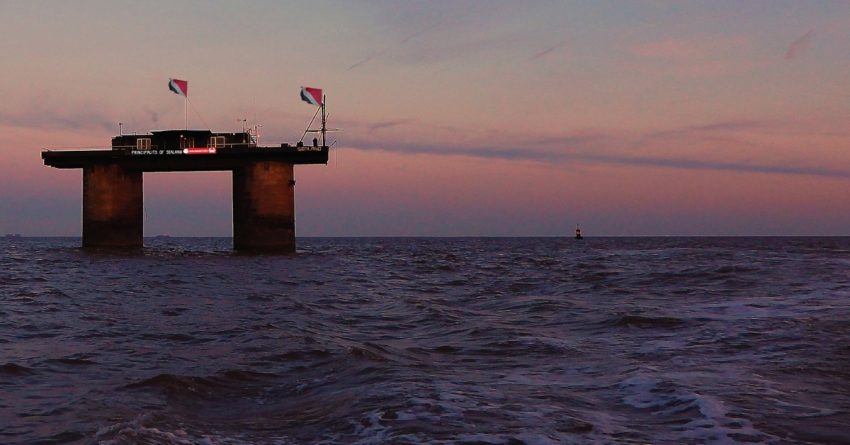
Sealand is one of the most remarkable micronations in the world—not just because of its size, but above all because of the story behind it. It was established on the abandoned wartime fortress Roughs Tower, built by the British military during World War II in international waters of the North Sea, approximately 11 kilometers off the coast of Suffolk. After the war, the structure was left unused, effectively becoming a legal grey zone—territory without a clear claim.
In 1967, the fortress was occupied by Roy Bates, a former British Army major and pirate radio broadcaster. Initially, he intended to use it for broadcasting, but ultimately took a far more radical step: he declared it an independent state—the Principality of Sealand. He raised a flag, drafted a constitution, and named himself prince. Thus was born a state that became a symbol of defiance against convention, government authority, and bureaucracy.
Sealand has never been officially recognized by any country, yet it has found itself in legal disputes that paradoxically strengthened its status. In 1968, a British court ruled that the fortress lay outside the UK’s jurisdiction. In the 1970s, both Germany and Belgium engaged in diplomatic correspondence with the government of Sealand, which its residents consider de facto recognition. In 1987, the United Kingdom extended its territorial waters to 12 nautical miles, formally bringing Sealand under British control—but the micronation maintained its identity and continues to operate as a quirky symbol of freedom.
Today, Sealand has its own flag, anthem, passports, coins, and even noble titles, all of which can be purchased online. Its population typically consists of a single person—the caretaker of the fortress. Access is only possible with government permission, either by helicopter or boat. Despite its tiny size (just 0.00015 square miles), Sealand has inspired free thinkers, anarchists, and artists alike. Its story proves that even in an age of global structures, there is still room for alternative visions of statehood.
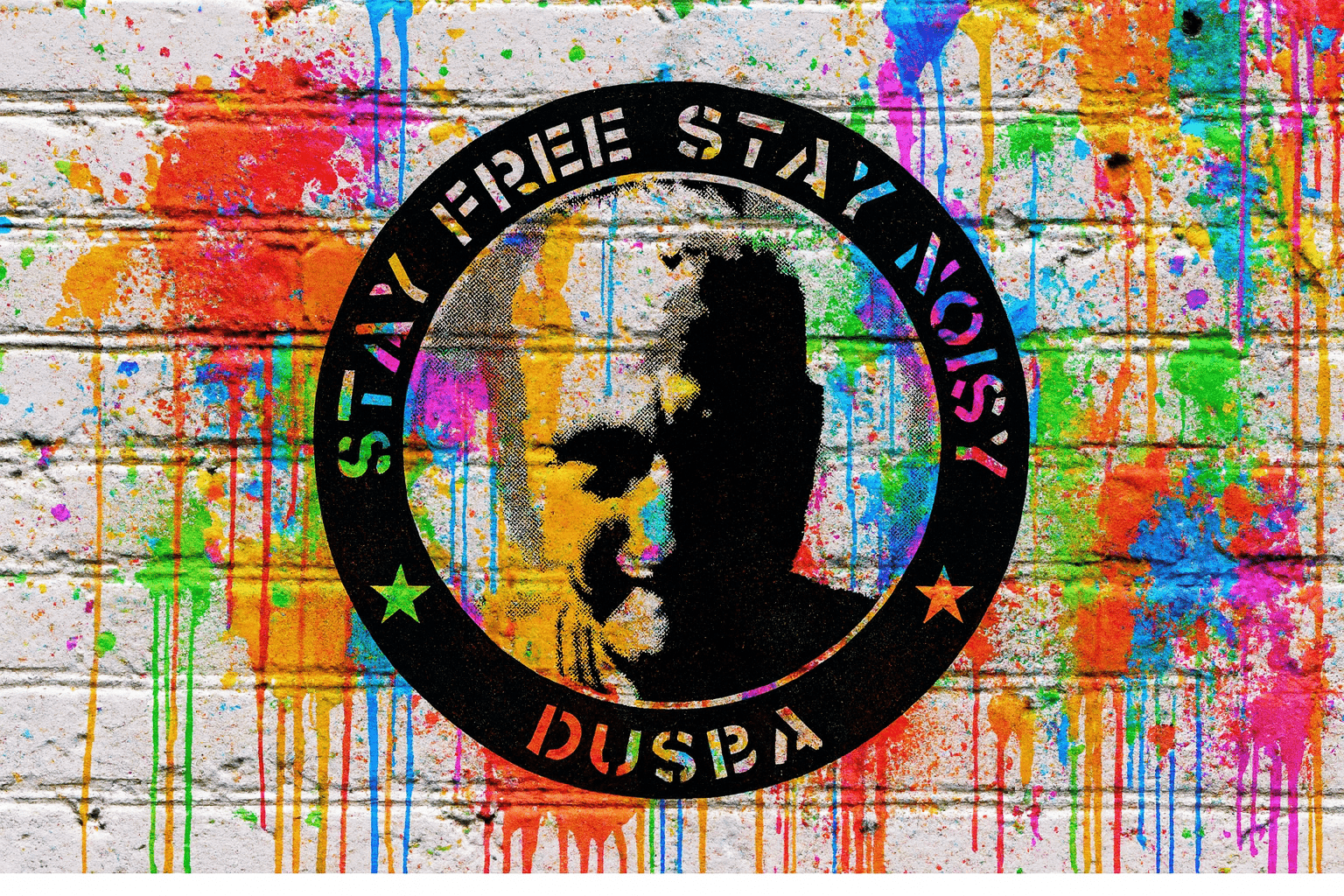
Sealand is not just a curiosity. It is, above all, a reminder that statehood is not necessarily a matter of size or recognition, but of will, courage, and the ability to create one’s own rules—something I personally relate to on a deep level. And so, years ago, I proudly became a citizen of Sealand myself.