



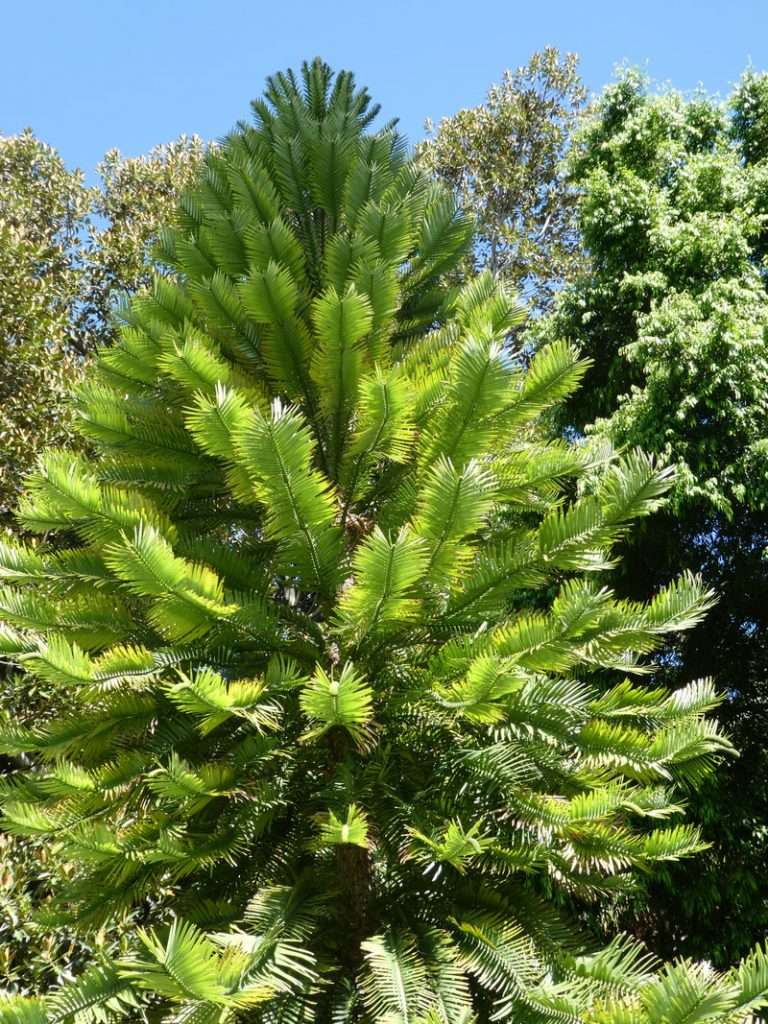
In 1994, Australian ranger David Noble set out on a canyoning trip into the deep, hard-to-reach gorges of Wollemi National Park in New South Wales. In one of the narrow ravines—places where people rarely, if ever, venture—he came across a group of unusual trees with strange branching patterns and a distinctive “bubbly” bark. They didn’t match any known species of Australian flora, so Noble collected samples and passed them on to experts.
What followed was nothing short of sensational. Botanists discovered that the find was not just a new species, but an entirely new genus, previously known only from fossils. The discovery was immediately hailed as the botanical equivalent of finding a living dinosaur. The tree was named Wollemia nobilis (“the noble wollemia”). Fossil records show that the genus Wollemia existed in the age of dinosaurs, more than ninety million years ago. After their extinction, all traces of it disappeared, and for a long time it was believed that the genus had not survived into the present. The location of the trees was kept strictly secret to prevent damage to the population and, above all, to avoid the introduction of diseases that could wipe out the small community. In the wild, only a few dozen mature individuals grow in several isolated sites within Wollemi National Park.
Wollemias are also cultivated in botanical gardens around the world to raise awareness of the species and reduce pressure on the wild population.
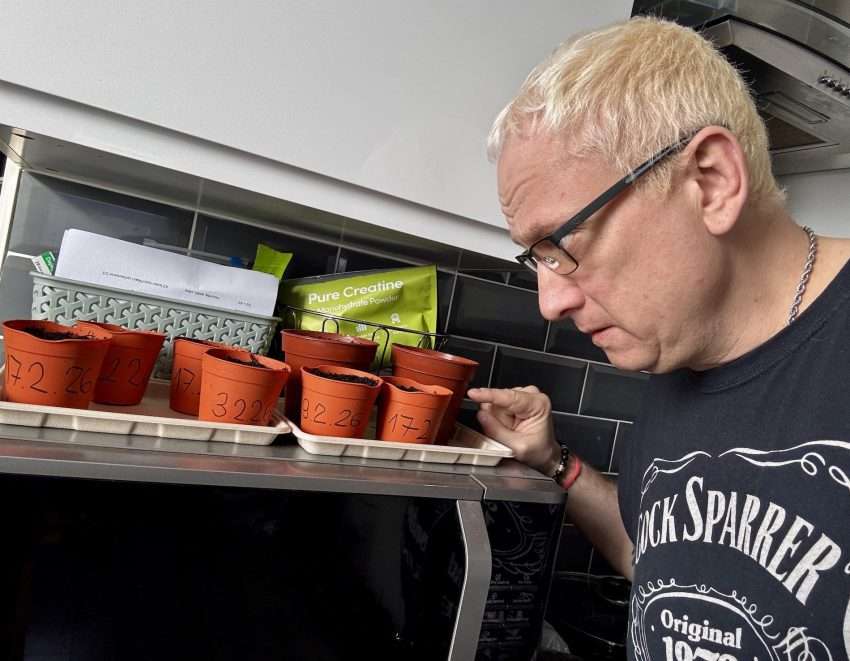
This story fascinated me so much that I managed to get hold of a few seeds myself. I bought special acidic soil and pots. Sometime in December, I began sowing them at roughly two week intervals. In my small London flat—which already doubles as a screen printing studio—I set up a miniature nursery for this critically endangered species and, in my own way, joined the global conservation effort. I carefully labelled each pot with the sowing date and placed them in different spots depending on light conditions. Throughout the process, I misted the soil regularly and waited patiently. For long weeks nothing happened, and I slowly began to lose hope. Wollemia is well known for its extremely low germination rate.
Then, just a few days ago, everything changed. Two tiny shoots appeared in one of the pots. Now begins a critical two week period that will determine whether the young seedlings survive. Once they strengthen a little, I’ll have to transplant them. And I already have further plans. Because Wollemia can tolerate the English climate, I intend to plant it outdoors in the future. I’ll have to choose the location carefully—not only to ensure the right growing conditions, but also because a sapling about a metre tall costs around £1000, and I’d rather not have this living fossil stolen. Dusba’s Wollemia will grow in London.