



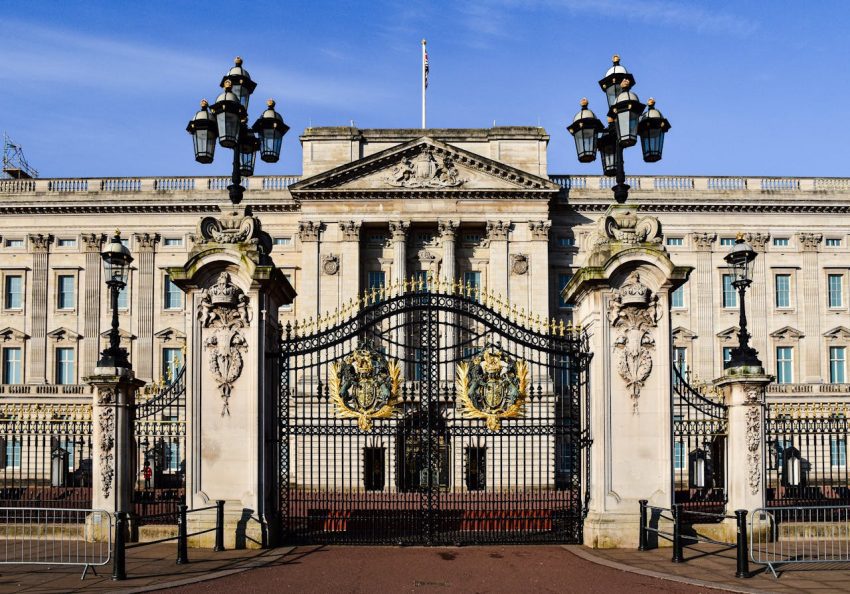
The British royal family is often dismissed as an unnecessary luxury or even labelled “parasites.” I don’t share that view. The very idea of devoting your entire life to representing your country, attending endless official duties and ceremonies, feels more like a vocation than a privilege. Add to that the constant scrutiny of the tabloids, waiting for the smallest misstep to blow out of proportion. Honestly, there are about a million jobs I’d rather do than be a representative of the British monarchy.
But let’s look at the issue purely from a financial perspective.
How much the monarchy costs
The annual cost to the state for running the royal household (the so‑called Sovereign Grant) is roughly £85–86 million. This amount doesn’t just cover the expenses of the family members themselves, but also the maintenance of palaces, estates and other historic properties that the monarchy uses but does not own.
These are state or Crown properties that would need to be maintained even if the monarchy were abolished. The only real savings would come from reducing payments to the family members — and that represents only a small portion of the total.
There are about 32 million taxpayers in the United Kingdom. When you spread the cost out, each taxpayer contributes around £2.50 a year to the “operation” of the monarchy — roughly the price of a single espresso.
How much the monarchy brings in
Crown Estate
The Crown Estate is a vast portfolio of real estate and commercial assets that does not belong to the king personally, but to the Crown as an institution. It is managed by an independent board, and all profits go directly to the Treasury.
Annual Crown Estate revenues are approximately:
- £500–600 million per year
- up to £1.1 billion annually from new offshore wind projects
It’s important to note that revenues from the Crown Estate would remain the same — or very similar — even if the monarchy ceased to exist.
Official merchandise
The Royal Collection Trust, which manages the royal art collections and tourism programmes, contributes over £20 million a year to the Treasury from official merchandise and ticket sales. In the event of abolishing the monarchy, this revenue would drop significantly.
Tourism
The monarchy is one of Britain’s strongest tourist magnets.
Estimates vary depending on methodology, but indirect revenues from tourism linked to royal landmarks, ceremonies and the broader “royal brand” reach hundreds of millions of pounds annually. Royal Family Tourism also creates a large number of jobs, which in turn generate additional tax revenue for the state.
From these figures, it’s clear that the monarchy is highly profitable for the public budget. For the price of one espresso per year, the British taxpayer gets an exceptionally effective marketing tool that generates many times more revenue for the state, boosts tourism and fulfils a representative and diplomatic role that someone would have to perform anyway.
When you add the fact that the king in modern Britain has very limited, mostly ceremonial powers, the monarchy emerges as an institution that costs the state almost nothing, yet brings significant financial profit, stability, continuity and — not least — international prestige. Seen in this light, I am — perhaps surprisingly to some — clearly in favour of keeping it.