

Rebels from the garage
BrewDog began as a small Scottish brewery founded by two friends, James Watt and Martin Dickie, who in 2007 brewed beer in a rented garage and sold it out of a van. Their ambition wasn’t to become just another “craft beer”, but to disrupt the entire beer industry. From the start, they built on rebellion, boldness, and the belief that craft beer could be a cultural movement, not just a product. At a time when the British market was dominated by large corporations and beers were uniform, BrewDog offered something that felt like fresh air: strong flavours, provocative names, and an aesthetic that mocked tradition. Over time, their flagship beer Punk IPA became the best‑selling craft beer in the United Kingdom.
Marketing that couldn’t be ignored
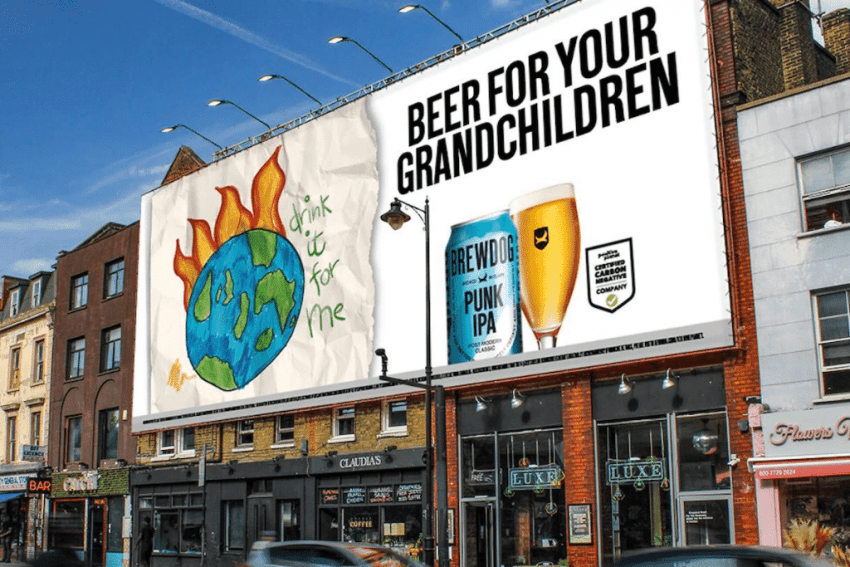
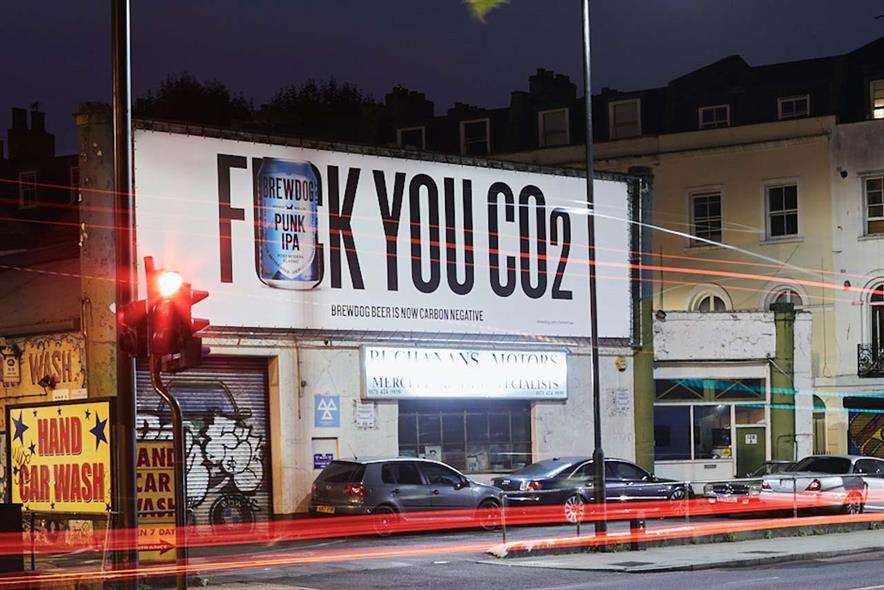
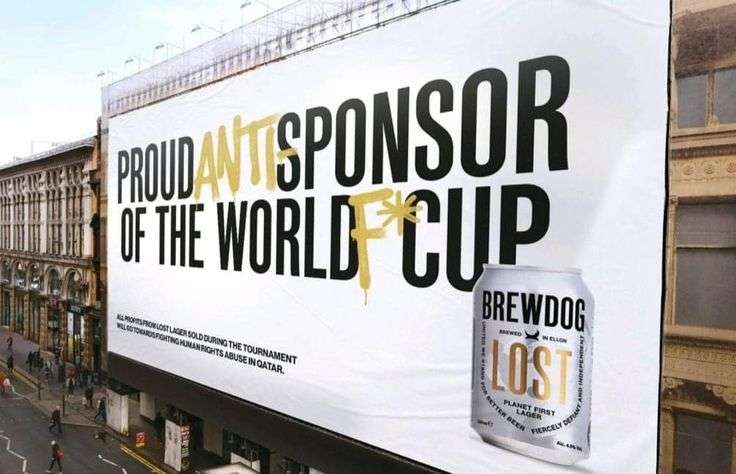
Their marketing was a key engine of growth from the very beginning. BrewDog understood that in a crowded market, the winner isn’t the one with the best beer, but the one with the strongest story. And they told that story with maximum intensity. They created campaigns that were sometimes funny, sometimes absurd, sometimes controversial, but always impossible to overlook. I remember the moment they launched a beer called Elvis. Immediately, Elvis Presley’s former wife Priscilla demanded they pull the product or face a lawsuit. The founders replied that Elvis is just a name like any other — and solved the situation by legally changing both of their first names to Elvis. Thanks to stunts like this, BrewDog became a brand that sold not just beer, but identity.
Equity for Punks: a community as the engine of growth
Their Equity for Punks became one of the largest crowdfunding experiments in the history of the food and beverage industry. Instead of traditional investors, they approached fans and offered them the chance to buy a stake in the company. It wasn’t just a financial move — it was part of the cult. Becoming an investor meant becoming part of the “punk revolution”. More than two hundred thousand people joined the project and together invested tens of millions of pounds. BrewDog created a community that was simultaneously a customer, an investor, and a brand ambassador. I liked the idea so much that I also became an investor ten years ago.
Off the leash
But this combination of rapid growth, aggressive marketing, and massive crowdfunding eventually proved unsustainable. The company expanded into bars around the world, opened hotels, restaurants, new breweries, and launched projects that were often more flashy than strategic. When the market slowed due to Covid and the broader trend of declining beer consumption, BrewDog no longer had room to brake.
The collapse
At the beginning of this year came a collapse as dramatic as their rise. BrewDog entered insolvency and was sold to the American company Tilray for an amount laughably low compared to its former billion‑pound valuation. Dozens of bars were closed, hundreds of employees lost their jobs, and Equity for Punks investors lost practically everything — myself included. Just two or three years ago, it looked like my investment could bring very interesting returns. An IPO was being prepared. In the end, I have nothing.
But I don’t regret it, because I spent ten years as part of a great project. Just being there was worth more than the investment itself. That’s life. That’s punk.